January 2026 Newsletter
January 31, 2026


January 2026 NEWSLETTER
Spotlight Reads!!
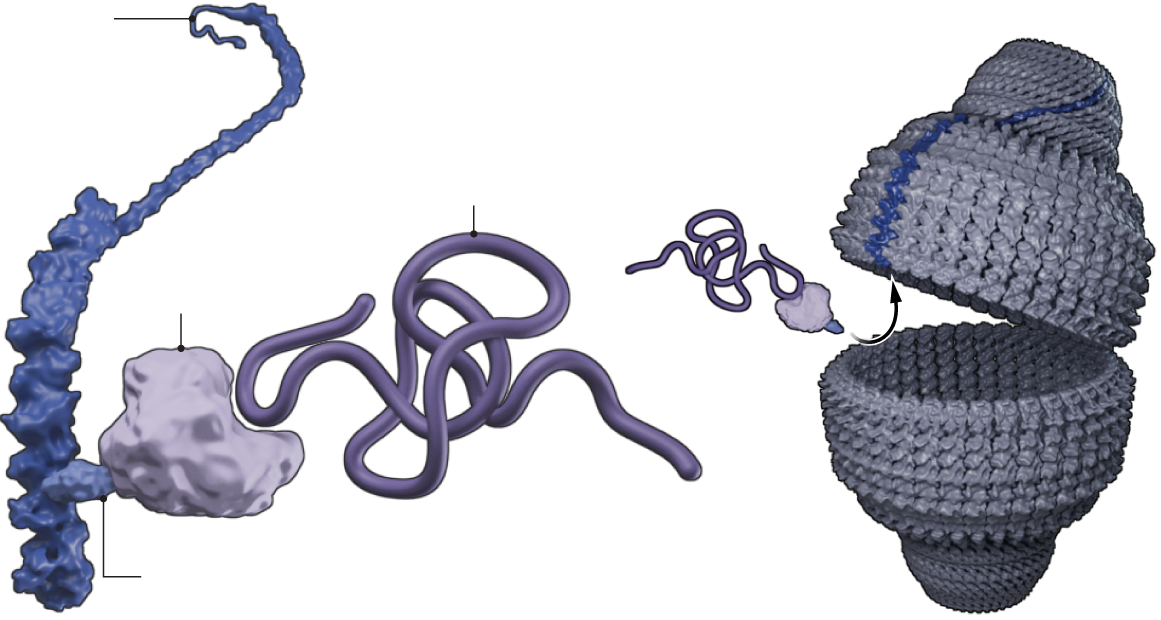
New Tool Captures Cellular Memory of Gene Activity!
Researchers have found a way to repurpose vault particles—large, barrel-shaped ribonucleoprotein complexes whose biological role has long been unclear—into tools that can record gene expression inside living cells over time. Instead of capturing a single snapshot of RNA levels (as in traditional RNA-seq), this approach allows cells to store transcripts generated during specific biological events, effectively creating a molecular memory.
By engineering vault particles to selectively package RNA, scientists can later recover and analyze these transcripts, revealing when and how genes were activated in response to stimuli such as stress, drug treatment, or disease progression. This capability is especially powerful for studying dynamic and transient processes that are often missed by conventional methods.
The work opens new possibilities for tracking cellular decision-making, understanding mechanisms of drug resistance, and mapping gene regulation in complex systems, highlighting how revisiting overlooked cellular structures can unlock entirely new experimental strategies.

Employee spotlight
John Kim, Scientist II
John Kim specializes in gene-to-structure services, focusing on enhancing the company’s X-ray crystallography pipeline. Passionate about solving complex crystallographic problems, John is dedicated to delivering high-resolution protein structures tailored to Helix’s clients' needs. His efforts also include expanding the laboratory’s capabilities through developing bioreactor methods and antibody production strategies.
John earned his Ph.D. in 2022 from the University of Georgia, where he was awarded the prestigious NIH T32 grant through the Glycobiology Training Program. His doctoral research led to 8 publications, advancing the field of biochemistry by broadening the understanding of protein oligomerization, glycan biosynthesis, and protein-glycan interactions. Through these efforts, John gained a comprehensive skill set across protein production, biophysics, and structural biology.
Outside the lab, John is a devoted husband to a yeast geneticist and a proud father of an energetic toddler. The Kim family enjoys hiking and birdwatching together at Eagle Creek, one of their favorite parks in Indy.

What we're reading. What we're attending. What we're thinking.
Paper breakdowns, conference highlights, equipment deep-dives, and our scientists sharing what they've learned.
Click here to join our 4000+ followers on LinkedIn
Featured services
Characterizing LNP/AAV Particles:
Understanding the structural integrity of lipid nanoparticles (LNPs) and adeno-associated viruses (AAVs) is critical for advancing gene therapy and mRNA-based medicines. Negative stain EM (NS-EM) provides a rapid, low-resolution assessment of particle integrity, aggregation, and sample quality — an ideal screening step before higher-resolution work. Cryo-EM then enables detailed visualization of intact particles in near-native states, offering insights into morphology, packaging, and heterogeneity.
Together, these complementary techniques accelerate development pipelines by ensuring quality control and guiding formulation strategies for next-generation therapeutics.

News you can use

Quantum Mechanics on a New Scale!
Scientists have taken a major step in testing the foundations of quantum mechanics by demonstrating matter-wave interference in objects far larger than ever before, metallic nanoparticles made of thousands of atoms. These experiments show that even relatively massive particles can behave like waves, maintaining quantum superposition under carefully controlled conditions.
The work pushes the boundary between the quantum and classical worlds, helping researchers probe how and why quantum effects fade in everyday objects. Beyond its fundamental significance, this research advances our ability to manipulate quantum states in larger systems, a key challenge for future technologies in quantum sensing and quantum information science.
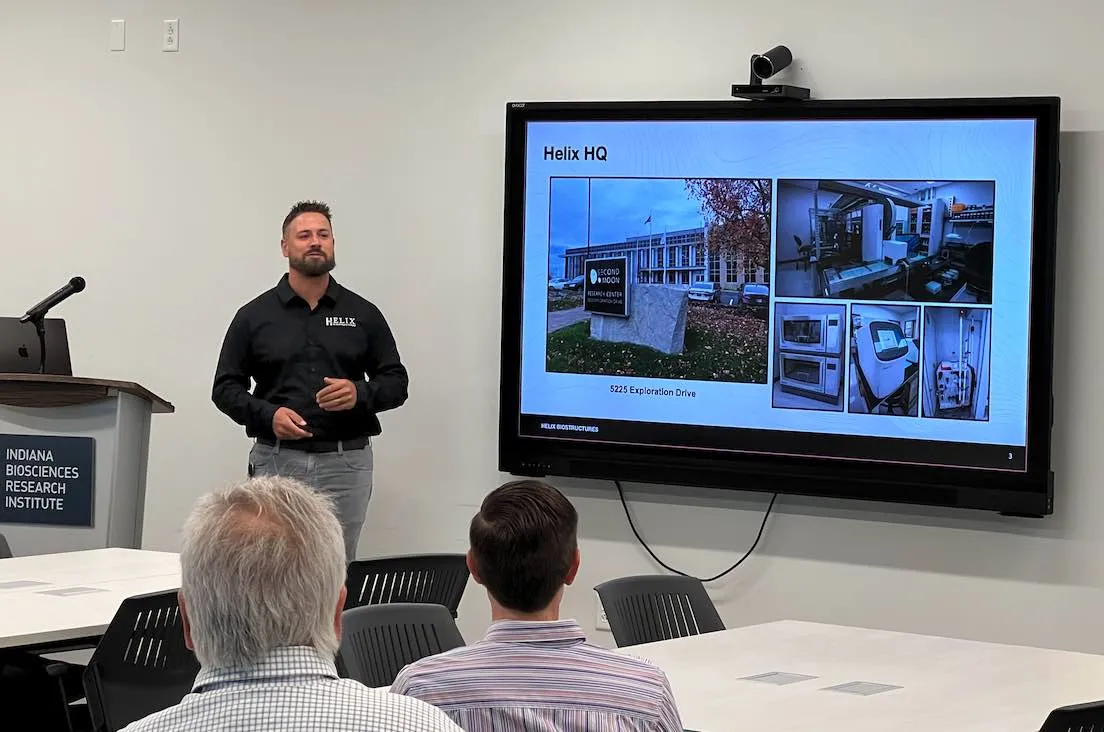
Come and meet the Helix team!

We’re excited to share that Helix BioStructures will be attending two upcoming scientific conferences this season:
Structure-Based Drug Design Summit in San Diego, CA - where structural insight meets innovative therapeutic design.
ASBMB Annual Meeting in Washington, DC - bringing together leaders in biochemistry and molecular biology.
These events are terrific opportunities to engage with the broader scientific community, exchange ideas, and explore how structural biology and protein science are shaping the future of drug discovery.
If you’ll be at either meeting, we’d love to connect!
Instrument review

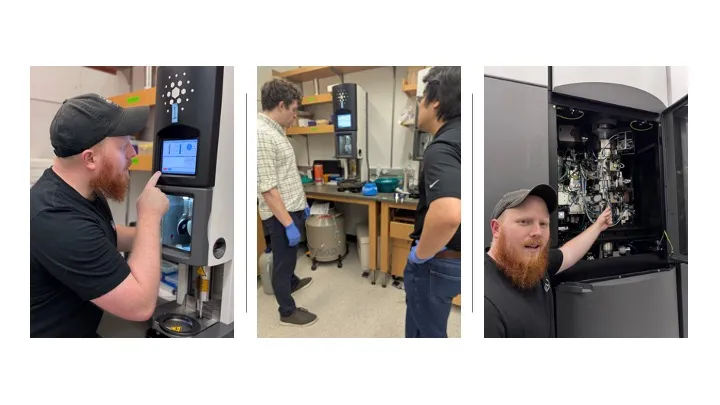
The Thermo Scientific Vitrobot Mark IV System offers semi-automated vitrification to provide fast, easy, and reproducible sample preparation for cryo-EM. It performs the cryo-fixation process at constant physical and mechanical conditions like temperature, relative humidity, blotting conditions, and freezing velocity. This ensures high-quality cryo-fixation results and a high sample preparation throughput prior to cryo-TEM observation.
We are equipped with a Vitrobot Mark IV System in-house and can prepare grids without freezing protein samples. This will allow us to produce the highest quality cryo-EM data and images to define protein structures for our customers. Contact us today to discuss how we can help you with your cryo-EM projects.
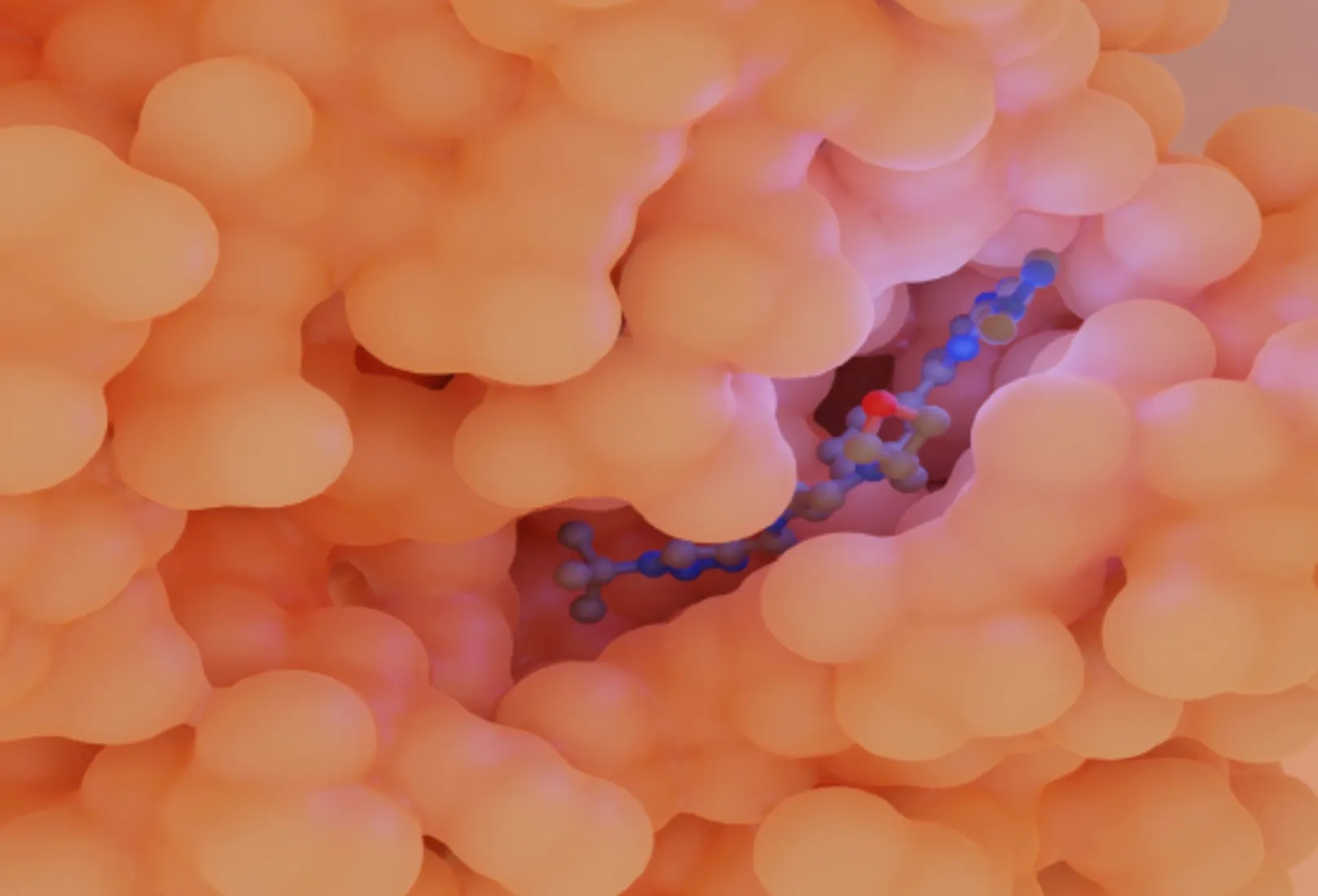
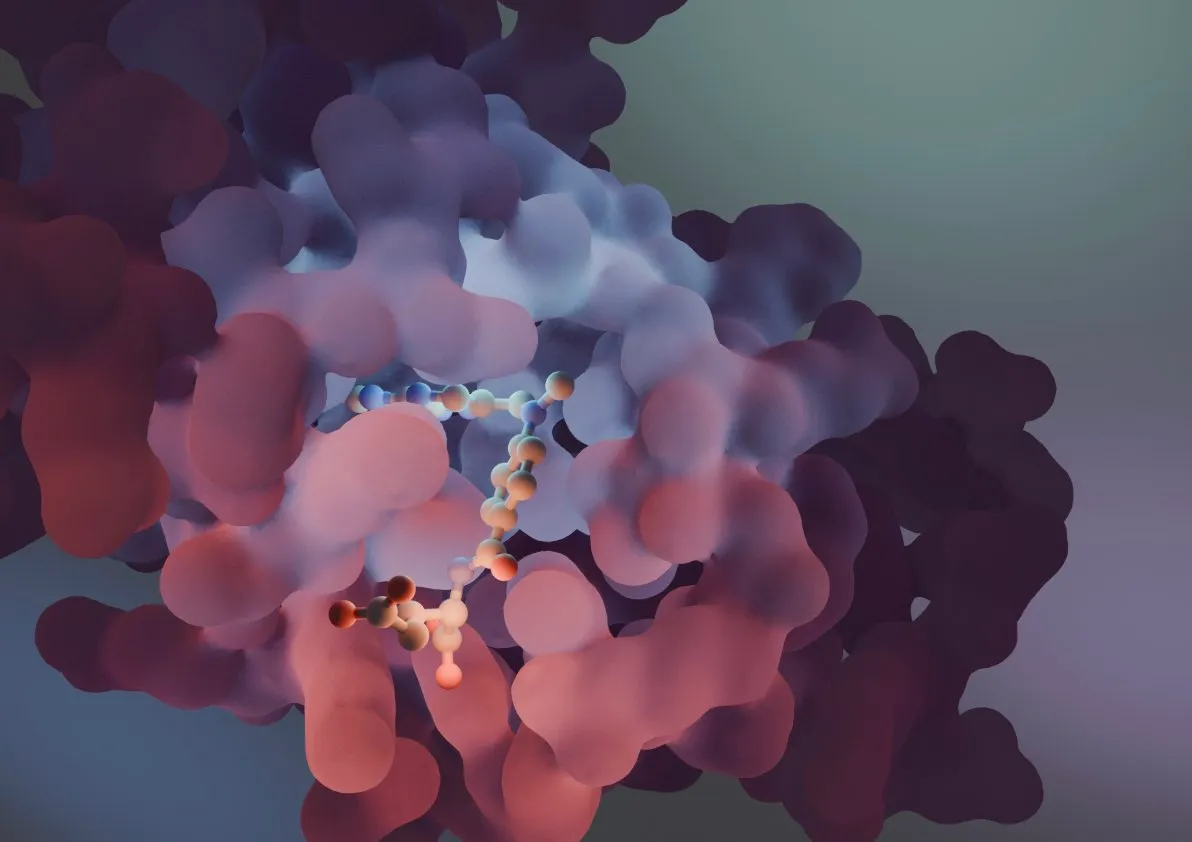
Helix Protein Art